

Fidelia Soriwei, Abuja
The Nigeria Police Force has partnered with social media companies, including Meta and TikTok, to identify individuals creating and circulating deepfakes and other forms of artificial intelligence-generated disinformation ahead of the 2027 general elections.
The Force said it was strengthening its cyber intelligence operations and digital forensic investigations to detect manipulated videos, cloned voices, impersonation and coordinated online campaigns capable of misleading voters and undermining confidence in the electoral process.
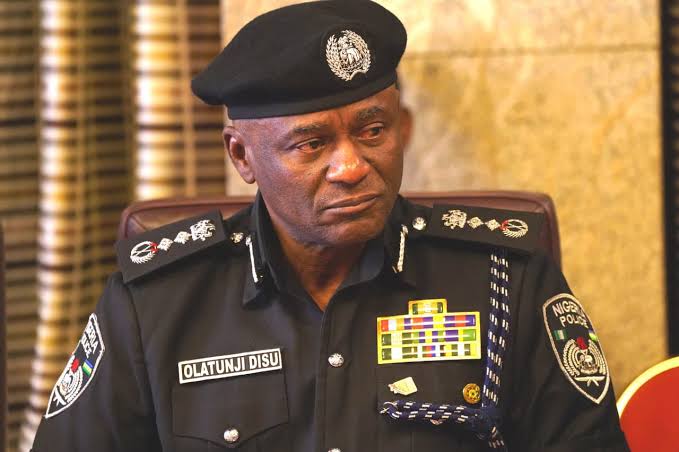
An Assistant Commissioner of Police, Bashir Abdullahi, who represented the Inspector-General of Police, Tunji Disu, disclosed this on Wednesday during The PUNCH webinar on artificial intelligence, misinformation and Nigeria’s 2027 elections.
Abdullahi said the police had engaged technology companies to obtain information about users behind suspicious content, trace its origin, request its removal and preserve electronic evidence for investigation and possible prosecution.
He said, “We have made an effort now to shake hands with tech companies, most of the social media platforms, TikTok, Meta is the mother company of Facebook, WhatsApp, and what have you.
“So, we were able to shake hands with them. This time around, whenever any information of this nature appears on our social media platform, we are going to immediately cross-check with these tech companies to tell us who is behind this information.
“So, one, we get the user particulars. Two, we get the location from which this information is coming out. Number three, request for it to be taken down and the preservation of evidence. And an operational team is on the ground to move to wherever this information is disseminated from to effect the accuracy and subsequent prosecution,” he said.
The police representative disclosed that the Force had conducted targeted raids on phone farms and arrested suspects involved in producing deepfake content to manipulate online conversations.
He also cited a case in Benin, Edo State, where officers traced and arrested a suspect accused of creating a manipulated video of President Bola Tinubu making statements he never made. According to Abdullahi, the suspect told investigators he created the video “just to trend”.
Abdullahi said lessons from the 2023 general elections had informed the establishment of the National Cybercrime Centre and the expansion of measures to tackle technology-enabled crimes.
He listed cyber intelligence gathering, digital forensic examination of AI-generated audio and the analysis of social media content among the measures being used to identify coordinated networks involved in information manipulation.
He added that investigations would focus on offences including cyberstalking, criminal intimidation, impersonation, threats and incitement, where the required legal elements had been established.
However, Abdullahi assured Nigerians that the police would not use efforts to combat disinformation to restrict constitutionally protected freedom of expression. He said officers were expected to gather sufficient information before making arrests.
“If you see the police knocking on your door, definitely we have already gotten our information. It’s proactive policing. We are not going to do the reactive kind of policing; we must have gathered enough information regarding the conduct,” he said.
He said the Force would preserve electronic evidence where the intention or potential consequences of online content were unclear, rather than automatically interfering with public opinion.
Abdullahi also disclosed that the police were collaborating with the Independent National Electoral Commission, National Broadcasting Commission, National Orientation Agency, civil society groups and media organisations to improve information management ahead of the elections.
He stressed that electoral information, particularly announcements concerning changes to election dates, must be verified through INEC.
“For example, it’s just two days to the election, and somebody comes up to say that the election has been postponed; such information must be verified from INEC. No other source, apart from INEC, can give out such kind of very serious information regarding the control of artificial intelligence of the election,” he said.
The warning comes amid concerns about the growing use of AI to produce convincing fake videos, images and voice recordings. INEC National Commissioner, Mohammed Haruna, has warned that such content could be used to mislead voters, including through fabricated announcements about election postponements.
Earlier this year, the Presidency threatened legal action against a social media commentator over an AI-generated audio falsely attributed to President Tinubu.
Nigeria’s Cybercrime Act, amended in 2024, criminalises certain false digital communications intended to cause harm or damage a person’s reputation, although its application has drawn criticism over concerns about possible restrictions on legitimate expression.

