

Fidelia Soriwei, Abuja
The Federal Government has completed a review of 932 federal enactments and 731 subsidiary legislations, identifying hundreds of outdated laws for removal from the proposed 2025 Laws of the Federation of Nigeria (LFN).
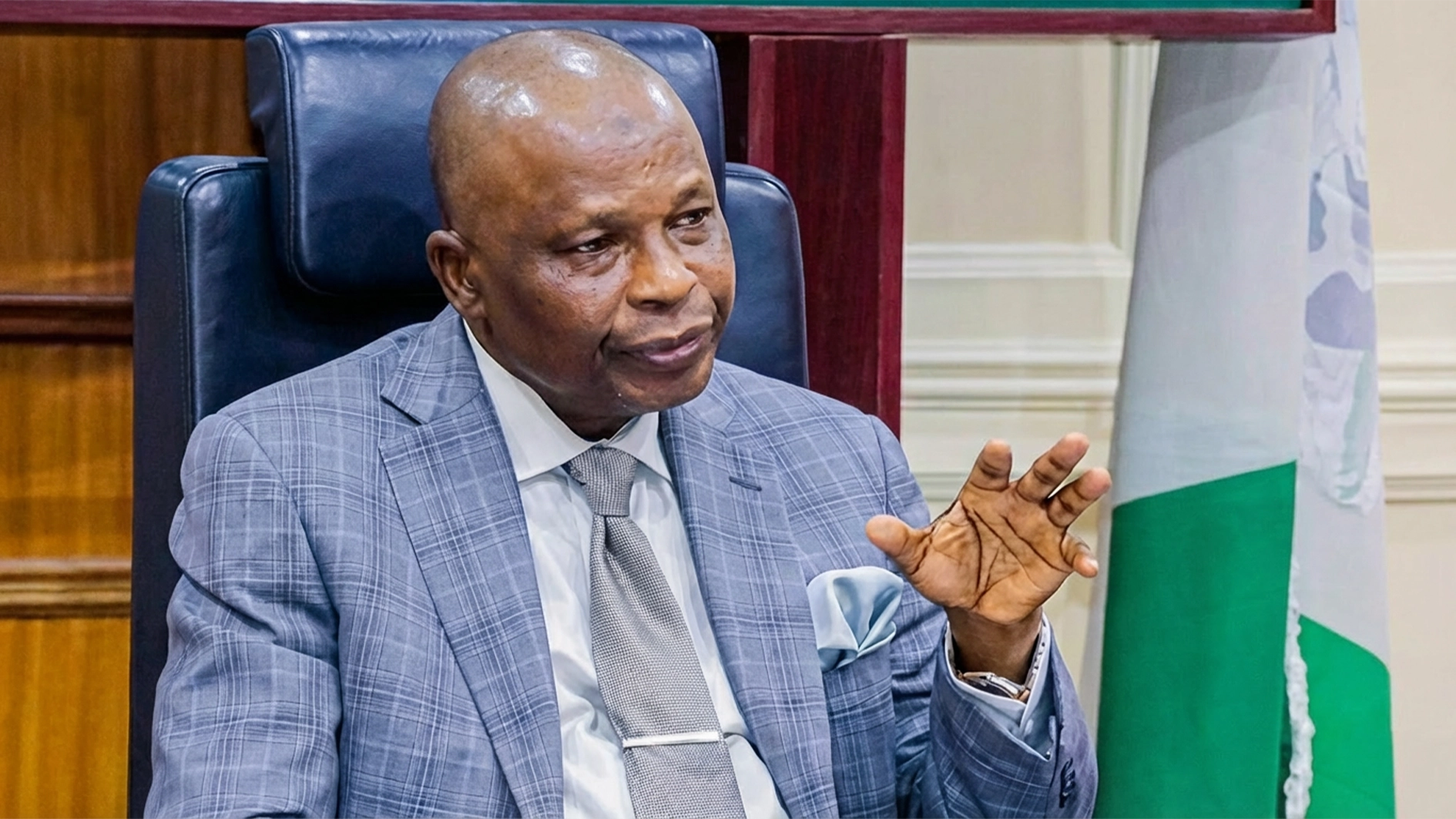
The Attorney General of the Federation and Minister of Justice, Lateef Fagbemi (SAN), disclosed this on Thursday in Abuja during the presentation of the final report of the Committee on the Review, Update and Consolidation of the Laws of the Federation.
Fagbemi said the exercise identified 663 federal enactments, alongside their relevant subsidiary legislation, for inclusion in the revised legal compilation, while 269 were classified as obsolete, spent or repealed and recommended for exclusion.
He described the outcome as significant progress towards updating Nigeria’s legal framework, noting that the last official consolidation of federal laws was completed in 2004, more than two decades ago.
“Several new enactments and amendments have accumulated over this period, making a comprehensive review imperative to ensure that our body of Federal laws remains coherent, current, accessible and responsive to the needs of our country,” he said.
The Attorney General constituted the committee on October 24, 2024, with a mandate to examine existing federal laws and subsidiary legislation, identify outdated provisions, resolve inconsistencies and overlaps, and produce an authoritative and accessible edition of the country’s laws.
The committee, chaired by Olawale Fapohunda (SAN), completed the assignment after more than two years of legal research, legislative analysis and consolidation. Its work was organised into 14 thematic working groups, supported by technical teams responsible for drafting, collation, quality assurance and editorial review.
Fapohunda explained that the exercise went beyond compiling existing statutes, as the committee also assessed their continuing relevance and identified areas requiring further legislative intervention.
“Our primary objective was clear—to purge obsolete and redundant statutes, resolve conflicting provisions, and seamlessly integrate contemporary socio-economic and technological realities into our national legal framework,” he said.
Among the issues identified were archaic statutory language, outdated chapter references, cumbersome cross-referencing and inconsistencies in the arrangement of some Acts. The committee also highlighted statutory fines and fees that have remained unchanged despite prevailing economic conditions.
“The need to review certain statutory fines and fees which have not kept pace with prevailing economic realities—some as low as ten or fifty Naira,” Fapohunda said.
The committee recommended that the Attorney General issue an advisory to ministries, departments and agencies (MDAs) outlining established procedures for reviewing their enabling laws and subsidiary legislation. It also called for a centralised national repository of federal laws to improve public access and support regular updates.
“Previously, the absence of a consolidated, easily accessible reference hub for sourcing federal statutes proved to be a significant impediment, turning the committee’s mandate into a truly Herculean task,” he said.
Fapohonda further advocated a permanent mechanism for reviewing and updating federal legislation to prevent another prolonged gap between official consolidations. Digital platforms, cloud-based document management systems and virtual meetings were used during the exercise to coordinate the work of committee members across different locations.
The Attorney General commended the committee and acknowledged the support of development partners and institutions, including the ROLAC Programme, the Law Commission of England and Wales, LexisNexis South Africa, the Lagos State Law Reform Commission and Law Pavilion.
Fagbemi said the committee’s report and draft copies of the 20-volume Laws of the Federation 2025 would be presented to President Bola Tinubu for onward transmission to the National Assembly for legislative consideration.
“The successful conclusion of this exercise will require the continued collaboration of the Executive and the Legislature,” he said, adding that the country needed a sustainable system for tracking new enactments, amendments and subsidiary legislation to keep federal laws current.

