

By Joy Yesufu
Nigeria has recorded 822 confirmed cases of Lassa fever and 155 deaths in 2025, according to the latest situation report by the Nigeria Centre for Disease Control and Prevention (NCDC).
The figure places the national Case Fatality Rate (CFR) at 18.9 per cent, an increase from 17.1 per cent recorded during the same period last year.
In Epidemiological Week 29 (July 14–20), 120 suspected cases were reported, with 11 confirmed infections in Ondo and Edo States and three additional deaths.
The CFR for that week stood at 27.3 per cent, underlining the urgency of early detection and timely treatment.
The NCDC attributed the persistently high mortality rate to late presentation at health facilities, poor health-seeking behaviour, and inadequate sanitation in high-burden areas.
As of July 2025, at least 21 states and 105 local government areas have reported confirmed cases.
Five states—Ondo, Bauchi, Edo, Taraba, and Ebonyi—accounted for 89 per cent of all infections, with Ondo State alone contributing 32 per cent.
The disease has disproportionately affected young adults aged 21 to 30, with a slight male predominance (male-to-female ratio of 1:0.8).
Despite the concerning figures, the NCDC said it had intensified its response, deploying 10 rapid response teams to affected states, training health workers, and distributing medical supplies including Ribavirin, personal Protective Equipment (PPE), and hand sanitisers.
Community awareness campaigns have also been scaled up in hotspot areas such as Edo, Bauchi, and Ebonyi States.
Although no new infections among healthcare workers were reported in the past week, 23 cases have been recorded among health personnel since January.
In a bid to strengthen long-term preparedness, the NCDC said it had finalised a Lassa Fever Advocacy Toolkit, conducted readiness assessments, and was preparing to launch the 2025–2029 Lassa Fever Strategic Plan.
With the rainy season, typically associated with increased rodent activity, still ongoing, the agency urged Nigerians to prioritise environmental hygiene, rodent control, and prompt medical attention at the onset of symptoms such as fever, vomiting, and unexplained bleeding.
It also warned against the spread of misinformation and urged continued media and community engagement to support prevention efforts.
“The public is encouraged to follow NCDC advisories and use the toll-free line 6232 for inquiries,” the agency stated.
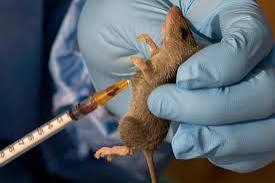
Lassa fever is a viral haemorrhagic illness primarily transmitted through contact with the urine or faeces of infected rodents.
It can also spread between humans via contact with bodily fluids, contaminated surfaces, or medical equipmemts.

