

Fidelia Soriwei, Abuja
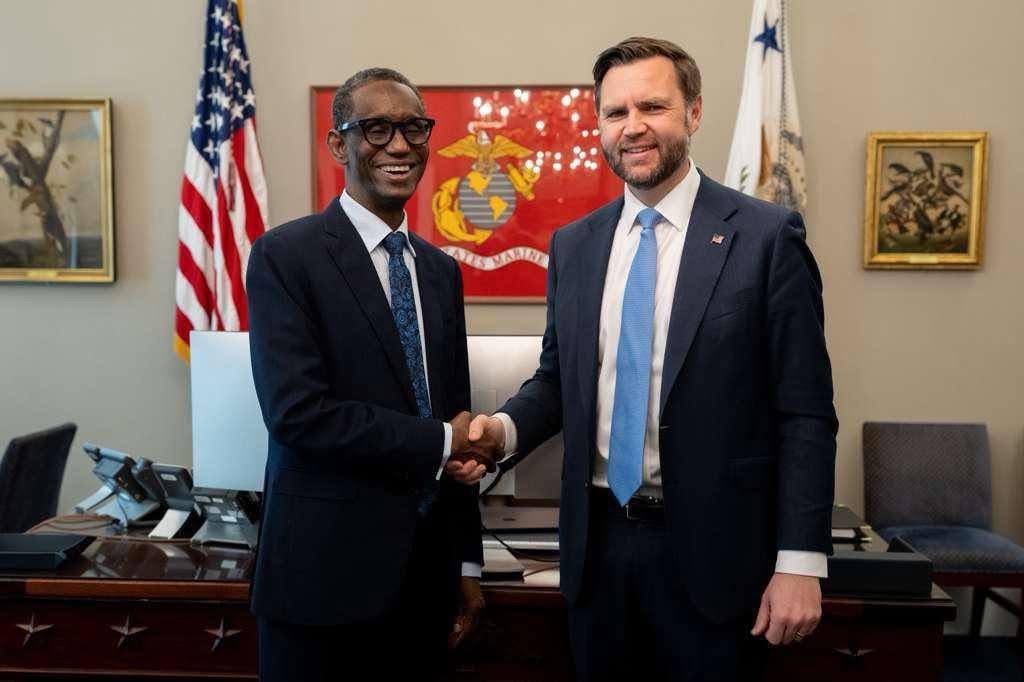
Nigeria and the United States have reaffirmed their commitment to expanding bilateral cooperation on security, intelligence sharing and counterterrorism following a series of meetings between Nigeria’s National Security Adviser, Nuhu Ribadu, and senior American officials in Washington.
Ribadu was in the United States on a three-day working visit from May 4 to May 6, where he held talks with key figures in the U.S. government as part of ongoing efforts to strengthen ties between both countries.
During the visit, the Nigerian NSA met with U.S. Vice President, J. D. Vance; Acting National Security Adviser and Secretary of State, Marco Rubio; Undersecretary for Political Affairs, Allison Hooker; and Assistant Secretary of War, Daniel Zimmerim.
According to a statement issued by the Special Adviser to the President on Information and Strategy, Bayo Onanuga, the meetings focused on strengthening cooperation in counterterrorism operations, defence collaboration, intelligence exchange, border security and democratic governance.
The discussions also addressed growing security concerns across West Africa and the Sahel, including terrorism, violent extremism, organised transnational crime and cyber threats.
Ribadu stressed the importance of sustained international cooperation in tackling insecurity in the region, noting that Nigeria remained committed to working closely with global partners to promote peace, democratic stability and economic development across Africa.
He also highlighted Nigeria’s strategic role in regional counterterrorism efforts, particularly within the Lake Chad Basin and the wider West African sub-region.
During talks at the U.S. Department of State, Ribadu expressed appreciation for continued American support to Nigeria in areas such as defence assistance, intelligence collaboration, humanitarian interventions and security capacity building.
The NSA further reaffirmed Nigeria’s commitment to implementing agreements reached under the Nigeria–U.S. Joint Working Group framework, which was established to coordinate structured bilateral cooperation on security and strategic matters.
Both countries reviewed progress recorded under the framework and discussed ways to improve intelligence sharing, military cooperation, strategic communications and institutional capacity development for Nigerian security agencies.
Ribadu also briefed U.S. officials on reforms introduced by the administration of Bola Ahmed Tinubu to address insecurity and stabilise affected communities across the country.
According to the statement, the Federal Government is pursuing a “whole-of-government approach” that combines military operations with non-kinetic measures such as community engagement, economic interventions, deradicalisation programmes and regional partnerships.
American officials reportedly commended Nigeria’s leadership role in promoting peace and security in Africa and acknowledged the country’s strategic importance to the United States on the continent.
Both nations also reaffirmed their commitment to democratic values, regional stability and deeper economic and security cooperation across West Africa and the Sahel.
The meetings concluded with both sides expressing optimism about the future of Nigeria–U.S. relations and pledging to sustain diplomatic engagement and defence cooperation through the Joint Working Group framework.

