

Fidelia Soriwei, Abuja
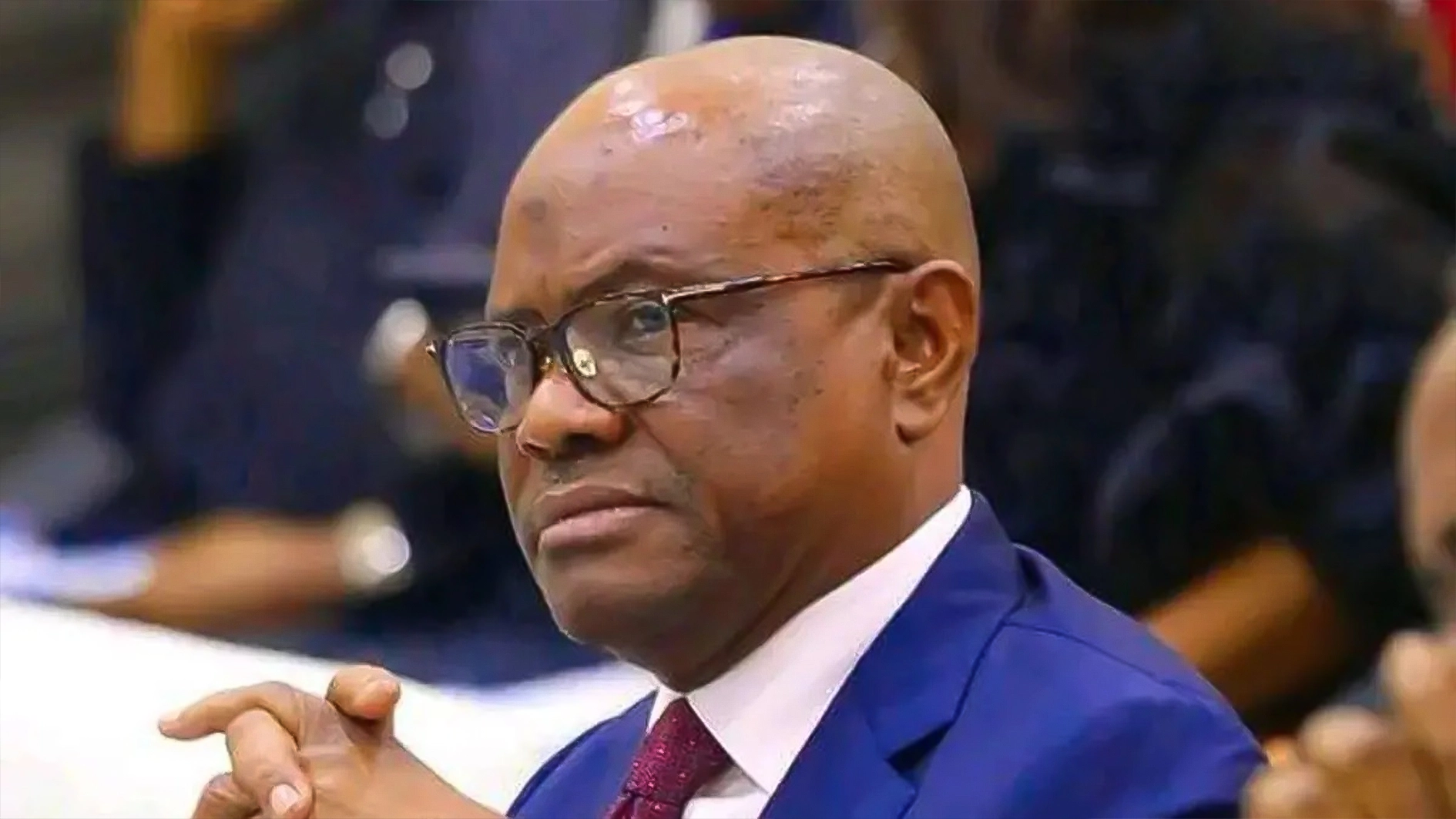
The Nigeria Labour Congress (NLC) and the Nigeria Union of Teachers (NUT) in the Federal Capital Territory have challenged Minister Nyesom Wike’s directive to withhold the salaries of workers participating in the ongoing strike, describing the proposed action as illegal.
The unions urged striking workers and teachers to remain resolute despite threats of salary deductions and attendance monitoring, insisting that the industrial action was lawful and aimed at resolving outstanding welfare and promotion disputes with the FCT Administration.
The dispute escalated after Wike directed area council chairmen on Friday to enforce the no-work, no-pay policy against striking employees. He also ordered the FCT Head of Civil Service, school principals and headteachers to open daily attendance registers to identify workers absent from duty.
The directive followed an indefinite strike declared by the NLC on October 7 over unresolved disagreements between the FCT Administration and the NUT.
In separate circulars issued on Sunday, the NLC FCT Council Chairman, Knabayi Adalo, and the NUT FCT Wing Secretary, Margaret Jethro, rejected the minister’s position, describing the directive as “unconstitutional, illegal, provocative and unenforceable”.
Adalo argued that Section 40 of the 1999 Constitution, the Trade Unions Act and International Labour Organisation Conventions 87, 98 and 151 supported workers’ right to strike after complying with the applicable legal requirements. He maintained that the NLC FCT Council had fulfilled the necessary conditions for the industrial action.
Addressing the proposed salary deductions, the labour leader said Section 43 of the Trade Disputes Act, which provides for the no-work, no-pay principle, applied to illegal strikes. He argued that workers should not be penalised for taking legitimate industrial action arising from unresolved disputes with their employer.
Adalo attributed the strike to grievances including the imposition of a vacancy clause on teachers’ promotions and the demotion of directors whom he said were beneficiaries of the Harmonised Retirement Age for Teachers Act, 2022. He demanded the removal of the vacancy clause, the completion of the 2025 promotion exercise and the full reinstatement of the affected directors.
The NLC chairman also directed teachers not to sign attendance registers opened during the strike, arguing that participation in union-approved industrial action should not be treated as ordinary absenteeism. He warned that principals and headteachers who forced teachers to sign the registers or submitted lists for punitive measures could face union picketing.
“Workers facing queries, threats or harassment are instructed to report immediately to the NLC FCT Council Secretariat with evidence,” Adalo said, assuring members that the union would defend their jobs and salaries.
Jethro similarly urged teachers not to abandon the strike because of the minister’s directive, maintaining that their demands concerned welfare rather than political interests.
“We must remain resolute. Do not chicken out; we must fight this battle together and now,” she said.
She added, “We urge you not to panic, not to be intimidated and not to sign any attendance register. Shun the threat; the ongoing strike is legal and constitutionally guaranteed.”
The NUT secretary also thanked teachers for participating in the industrial action, while accusing the Academic Staff Union of Secondary Schools of betraying their colleagues by withdrawing from the strike. She urged teachers to remain peaceful and law-abiding while pressing for the resolution of their grievances.
The unions maintained that the FCT Administration should address the disputed promotion arrangements and the demotion of directors rather than threaten workers with salary stoppages. The dispute remains centred on teachers’ welfare, promotion rights and the legality of enforcing the no-work, no-pay policy during the ongoing strike.

