

Fidelia Soriwei, Abuja
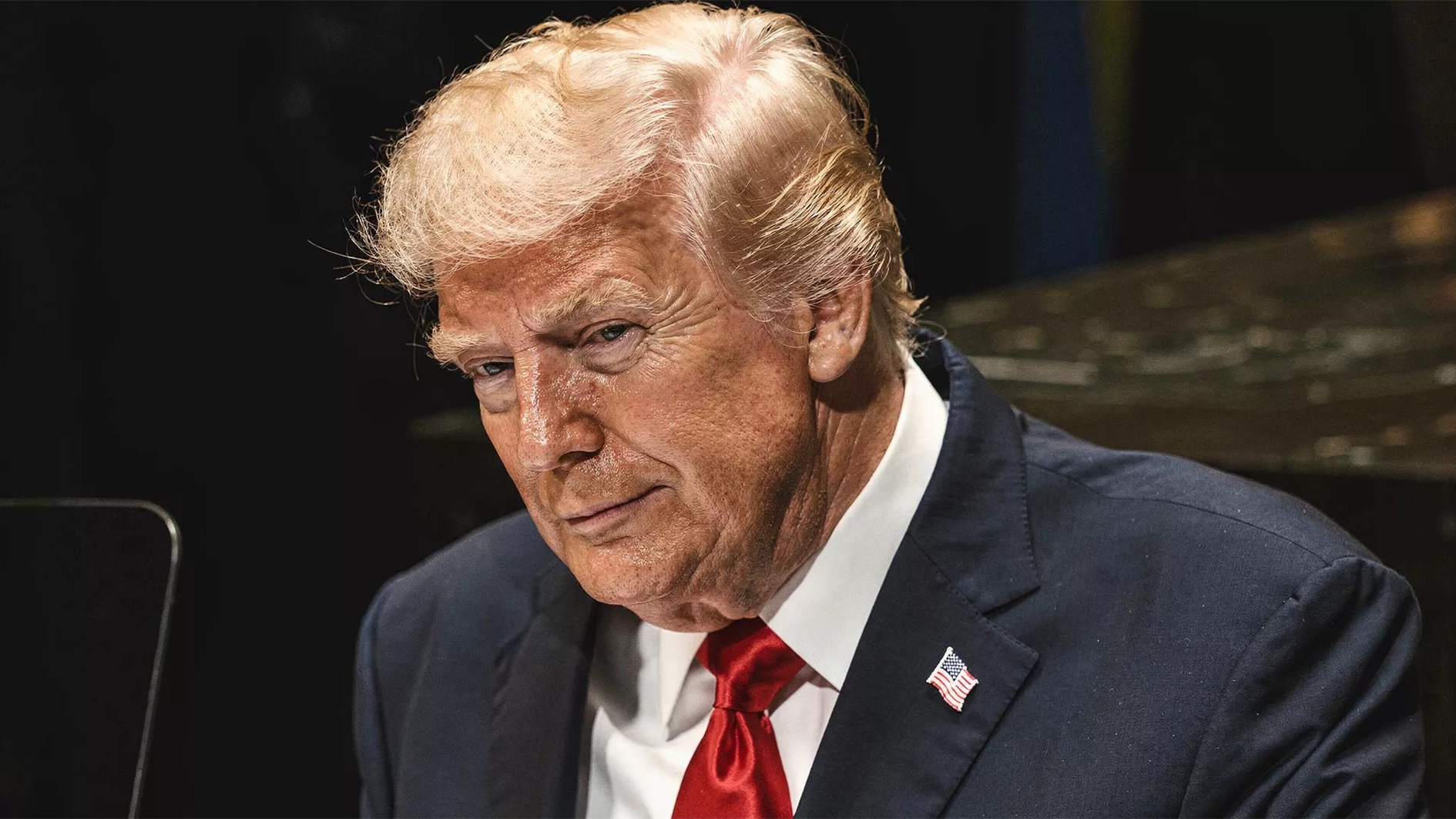
Global oil prices rebounded sharply on Monday after United States President Donald Trump rejected Iran’s proposal for a seven-day truce linked to the reopening of the Strait of Hormuz, renewing concerns about energy supplies and inflation.
Brent crude, the international benchmark, climbed more than three per cent early in trading, returning above $107 per barrel, while US West Texas Intermediate also gained more than two per cent. By around 0810 GMT, Brent was up 2.5 per cent at $106.96, while WTI rose 2.2 per cent to $94.50.
The price movement reversed some of last week’s decline, when oil fell more than two per cent after news emerged that Tehran had proposed a temporary truce and the reopening of the strategic waterway.
Iran presented the seven-day proposal during the United Nations General Assembly, offering to reopen the Strait of Hormuz and resume negotiations. The waterway is a major route for global energy shipments, making its continued disruption a significant concern for oil markets.
Trump rejected the proposal, telling reporters, “I reject their proposal.”
However, the US President indicated that further negotiations could still take place. In an interview with Axios, he said, “They want to make a deal, but it is not the deal that I want to make,” adding, “They overplayed their hand.”
Iran has maintained conditions for reopening the Strait, including the release of frozen Iranian assets, the lifting of US sanctions on its oil industry and an end to the US naval blockade.
The renewed rise in crude prices has also revived concerns about inflation and interest rates, with higher energy costs potentially adding pressure to consumers and businesses. Bond yields rose as markets assessed the implications of the renewed Middle East tensions.
Asian stock markets were mixed, with Seoul falling 2.7 per cent after reopening from a long holiday, while Tokyo, Shanghai, Manila, Mumbai, Bangkok and Jakarta also recorded declines. Hong Kong, Sydney, Singapore and Wellington posted gains.
Attention is now turning to key US economic data due later this week, including the Federal Reserve’s preferred inflation measure and a major jobs report. The figures could influence expectations ahead of the central bank’s next policy meeting at the end of October.
Market analyst Stephen Innes of Quintex Intel said the renewed tensions had pushed oil higher and weakened some Asian equities, while noting that markets were still assigning some possibility to further US-Iran negotiations.
The latest oil price movement highlights the continued sensitivity of global energy markets to developments around the Strait of Hormuz, as investors assess whether diplomatic efforts between Washington and Tehran can reduce the disruption to oil supplies.

