

By Joy Yesufu
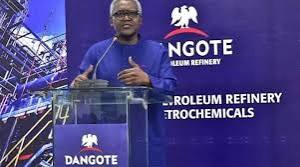
Petroleum importers have raised concerns over the continued reduction in petrol prices by Dangote Refinery, warning that the move could force many dealers to sell at a loss.
With consumers gravitating towards outlets offering the lowest prices, importers fear that their stock may become uncompetitive, affecting profitability.
“Some of us who have imported PMS are feeling the heat of Dangote’s decision to slash prices. Though reducing petrol prices is a good development for Nigerians, it is taking a toll on our business. That’s the simple truth,” an importer lamented.
On Wednesday, Dangote Refinery announced a further reduction in its ex-depot price by ₦65 per litre, bringing the cost down from ₦890 to ₦825 per litre.
The new price takes effect today, February 27, 2025. This marks the second price reduction since the beginning of the year and the third in two months.
While the price cuts have been widely welcomed by consumers and industry stakeholders as a step toward making petrol more affordable, importers argue that it creates an uneven playing field.
They point out that those who had already imported petroleum products at higher costs could face financial losses due to the drastic shift in pricing dynamics.
The Nigerian downstream petroleum sector has been experiencing significant adjustments since the operational launch of Dangote Refinery.
As the refinery continues to refine and supply petrol locally, market forces are shifting in favor of domestic production, reducing reliance on imported fuel.
Industry analysts predict that if the price reductions continue, importers may struggle to compete, potentially leading to a decline in petrol importation.
However, others believe that Dangote’s move could ultimately stabilize the market and bring long-term benefits to the economy.
With Dangote Refinery steadily gaining control of the local petrol supply chain, the big question remains: Will petrol importers be able to adjust to the new market reality, or will they be forced to exit the business?

