

Fidelia Soriwei, Abuja
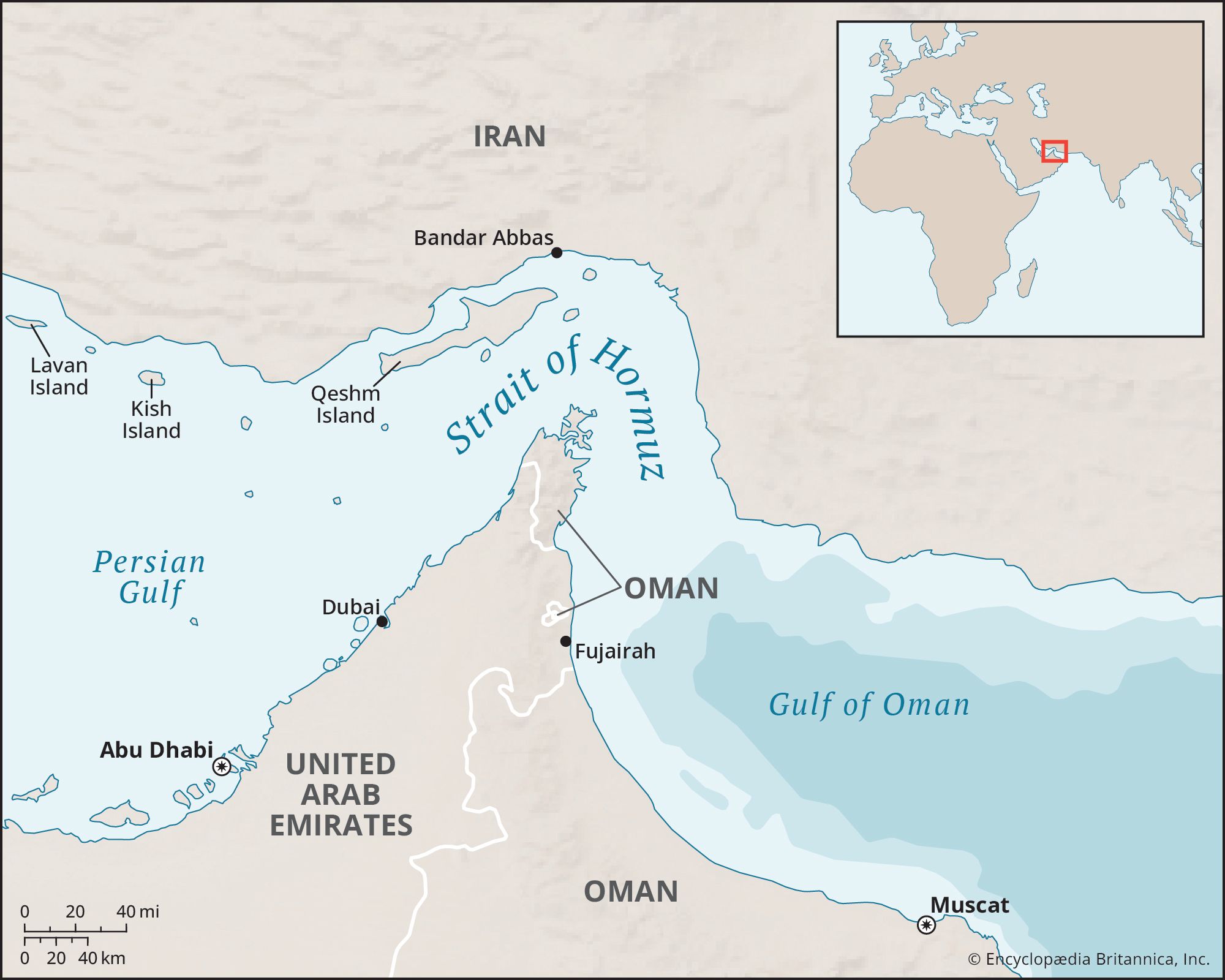
US President Donald Trump has rejected Iran’s proposal to reopen the Strait of Hormuz within seven days, setting back diplomatic efforts aimed at restoring maritime traffic through the strategic waterway and restarting negotiations over Iran’s nuclear programme.
The proposal, presented by Iranian Foreign Minister Abbas Araghchi during the United Nations General Assembly in New York, offered a detailed seven-day roadmap under which Iran would restore normal passage through the Strait of Hormuz if the United States met several conditions. Trump dismissed the proposal on Saturday, saying, “I reject their proposal.”
Iran’s plan called for the US to lift its naval blockade of Iranian ports, waive sanctions affecting Iranian oil exports, release frozen Iranian assets and observe a ceasefire covering the wider region, including Lebanon and Yemen. In return, Tehran would reopen the Strait of Hormuz and resume negotiations with Washington on its nuclear programme.
Araghchi said the seven-day timetable would begin immediately after Washington accepted the proposal. According to his outline, the initial measures would take about four to five days, the Strait of Hormuz would reopen on the sixth day and negotiations on a final agreement would begin on the seventh day.
“If there is seriousness on the US side to come to a deal and reopen the strait of Hormuz, everything is now prepared,” Araghchi said. “Iran has conveyed to the United States, through Qatar [mediators], a concrete seven-day plan. If the necessary conditions are met, the strait can be reopened, and normal maritime passage restored within seven days.”
The Iranian foreign minister also said the proposal was based on a June memorandum of understanding between Washington and Tehran that temporarily halted military operations and established a 60-day period for negotiations. That agreement later collapsed after disputes over shipping through the Strait of Hormuz and renewed military confrontation.
Iranian President Masoud Pezeshkian said Tehran remained open to negotiations but would not accept coercion. “Iran is not seeking war, but will defend itself against pressure, threats and attacks,” Pezeshkian said, adding that Iran had already agreed that “we’re not supposed to develop nuclear weapons”.
The Strait of Hormuz has become a central issue in the US-Iran conflict because it is a major route for global oil and gas shipments. Disruption to traffic through the waterway has contributed to higher energy prices and increased pressure on economies beyond the Middle East.
The proposal also carries significant economic implications for the United States, where elevated fuel and energy prices have become an issue ahead of the November midterm elections. Analysts cited by Al Jazeera said Tehran’s decision to put the proposal forward publicly at the UN could increase pressure on Washington to address the impact of the Strait of Hormuz disruption.
Diplomatic contacts between the two countries continued during the UN General Assembly. Araghchi met US envoy Steve Witkoff, while Qatar facilitated communication between Washington and Tehran. A US official described the discussions as “positive and constructive”, although Secretary of State Marco Rubio cautioned against treating the contacts as a major breakthrough.
Trump, however, said the Iranian proposal did not meet US requirements. “They want to make a deal where they open the strait immediately because they’re losing so badly,” he said. “They want a make a deal, and I think that’s fine. I like making a deal too, but that deal would not be acceptable.”
The rejection leaves the Strait of Hormuz, the US-Iran conflict and negotiations over Iran’s nuclear programme unresolved, while the continued disruption to energy shipments keeps global oil markets closely tied to developments in the region.

