

Fidelia Soriwei, Abuja
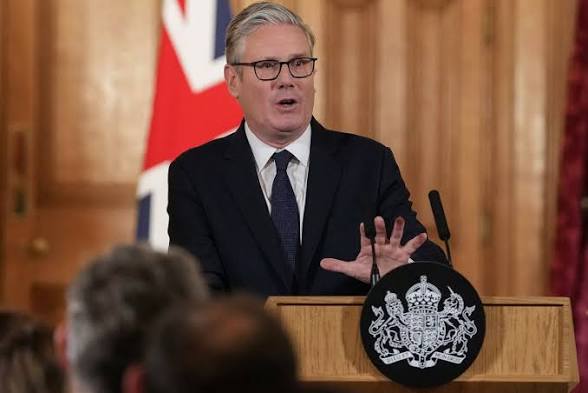
The United Kingdom government has announced plans to prohibit children under the age of 16 from accessing major social media platforms as part of a broader effort to strengthen online safety for minors.
Prime Minister Keir Starmer said the proposed restriction would apply to platforms including TikTok, Instagram, Facebook, Snapchat, YouTube and X, although messaging services such as WhatsApp would be exempt.
Announcing the policy on Monday, Starmer said social media platforms were exposing children to harmful material and were designed to encourage excessive use.
“We will ban access to social media for all children under the age of 16,” he said, adding that the platforms were “making children unhappy.”
The British government expects to introduce the legislation before the end of the year, with implementation planned for spring 2027.
Officials also disclosed that additional measures targeting gaming and live-streaming platforms are under consideration.
Proposed safeguards include overnight restrictions and limits on endless scrolling for young users, with further details expected in July.
According to the government, the policy was influenced partly by developments in Australia, which became the first country to introduce a nationwide social media ban for under-16s.
The proposal follows a public consultation that attracted about 116,000 submissions, making it one of the largest responses ever received by the government.
More than 83 per cent of participating parents said the risks of social media outweighed its benefits for children, while 91 per cent supported a minimum access age of 16.
The announcement comes days after British authorities directed technology companies, including Apple and Google, to introduce tools aimed at preventing children from creating, sending or receiving nude images on their devices.
A spokesperson for YouTube cautioned that a blanket ban could push younger users towards less secure online services.
Similar restrictions are also being pursued in countries including Canada and Indonesia as governments intensify efforts to address concerns about children’s online safety.

